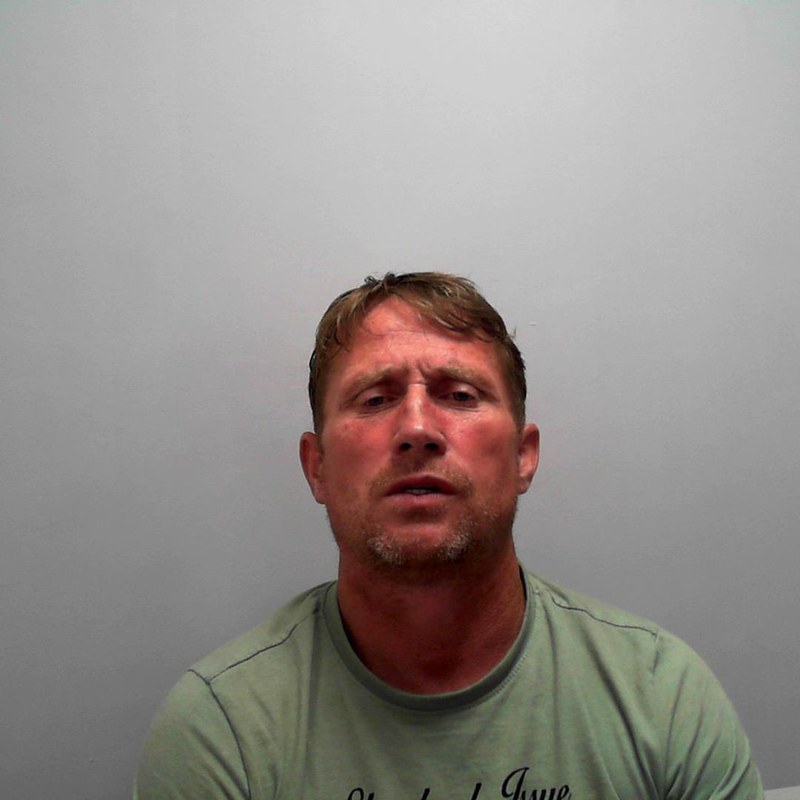
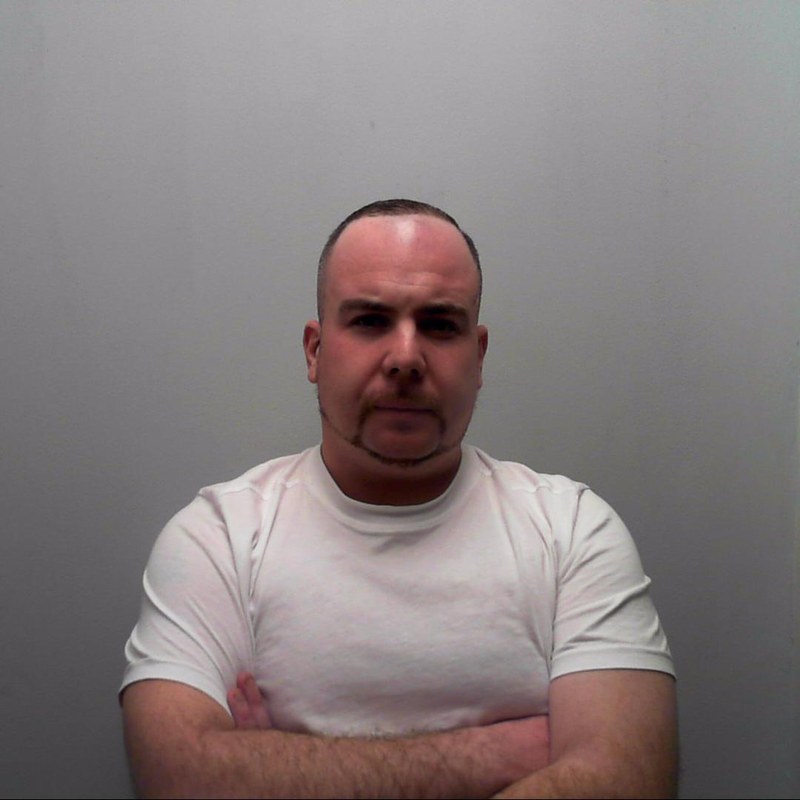
The man who answered his door in October 2021 told Patrick Connors he wasn't interested. Connors started work anyway — and didn't stop until 24 payments had left the victim's account.
Connors, 44, of Bristol, and John McEvoy, 33, of Cardiff, arrived uninvited at a house near York and told the owner he needed his fascias and soffits repaired. When the victim — a man in his early sixties who lived alone — said no, they ignored him and began work on the roof.
It was the opening move in a fraud that would run for ten weeks. Once on the roof, the pair began "discovering" additional problems — further damage, structural concerns, then a crack in the plasterwork inside the house. Each new finding came with a payment demand. The victim, the court heard, was intimidated. He paid.
Twenty-four payments. No written agreement.
Between October and December 2021, the victim made 24 separate payments to Connors and McEvoy totalling £92,930. No written contract was ever provided. No itemised quote. No record of what the money was supposed to cover. The payments were made under repeated pressure to a pair of men who had knocked on his door uninvited.
How the fraud operated
- Cold-call doorstep approach — no prior contact, no quote, no written agreement
- Victim told them he didn't want work done — they started anyway
- Manufactured "discoveries" to justify additional payment demands
- 24 payments extracted over 10 weeks through sustained intimidation
- Expert surveyor confirmed the work carried out was of very poor standard
Neighbours reported the activity to North Yorkshire Police in January 2022. Officers investigated — and on 5 January 2022, Connors and McEvoy were arrested as they returned to the property to carry out yet more work.
A pattern. Not a first offence.
Patrick Connors was not new to this. Court records confirmed he had previously served prison sentences for similar crimes — as well as for burglary and fraud. His record was not a side note; it was the context in which the York fraud took place.
While on bail for the York offences, Connors was stopped in North London inside a stolen car — a vehicle taken from Bristol. In the car: men wearing balaclavas and carrying tools intended for use in crime. The bail condition had not slowed him down.
"Connors and McEvoy intimidated the victim to pay a large amount of money for repairs that were not asked for and not needed by the homeowner. This clearly demonstrates a callous criminal tactic that is often used by rogue builders." — Detective Constable Nick Lane, Economic Crime Unit, North Yorkshire Police
The verdict and what followed
Both men pleaded guilty to conspiracy to commit fraud by false representation. The charge covered the period from 1 October 2021 to 5 January 2022 — the day of their arrest.
An expert witness surveyor assessed the work carried out at the property and confirmed it was of very poor standard. The victim has had approximately half the money refunded by his bank. The remaining losses are substantial.
North Yorkshire Police confirmed that other suspects have been identified and arrested as part of the investigation. Those cases will be dealt with separately.
What a check would have found
Connors and McEvoy arrived with no business name, no written quote, and no verifiable credentials. A search for either name on Companies House returns no active registered company. Neither appears on TrustMark or the Federation of Master Builders register. The Individual Insolvency Register surfaces prior financial irregularities.
The most important signal was the one that didn't require any check at all: they arrived uninvited, were told no, and started work regardless. No legitimate contractor operates that way.
Five things to do when builders arrive uninvited
-
Do not let them start workOnce they are on your roof or in your loft, the psychological pressure to keep paying escalates. The moment work begins without a written contract, you lose leverage.
-
Ask for a company name, address, and registration numberAny legitimate contractor can provide these immediately. Search the company name on Companies House before agreeing to anything. A dissolved company, a missing registration, or refusal to provide one are all grounds to end the conversation.
-
Request a written quote before any paymentUnder the Consumer Rights Act 2015, you are entitled to written terms before paying. A contractor who starts work without providing them is not operating legitimately.
-
Pay by credit card for any amount over £100Section 75 of the Consumer Credit Act makes your card provider jointly liable if the contractor fails to deliver. Bank transfer has no equivalent protection — once the money leaves, it is extremely difficult to recover.
-
Call 101 if you feel pressuredNorth Yorkshire Police's Economic Crime Unit investigated this case. If uninvited builders are persistent, refuse to leave, or intimidate you, call police. Reporting early is what ended this fraud.
What our system found
When we ran a check on Patrick Connors as a sole trader operating near York, Companies House returned no active registration. No TrustMark or FMB membership was found. The cold-call approach alone — uninvited doorstep work solicitation — is one of the highest-risk patterns our system flags. The report below is exactly what a paying customer would have received.
An uninvited builder knocked on your door.
Run a check before you agree to anything. Takes 60 seconds. Costs £5.
Check my trader — £5