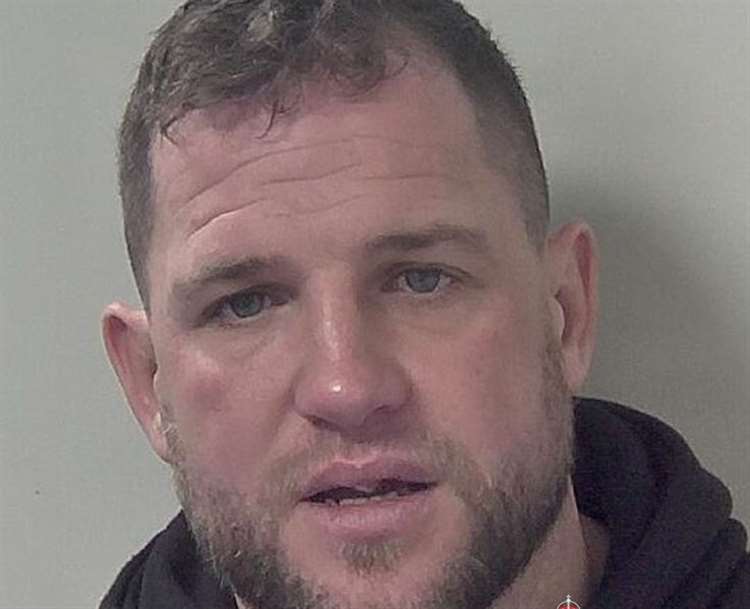
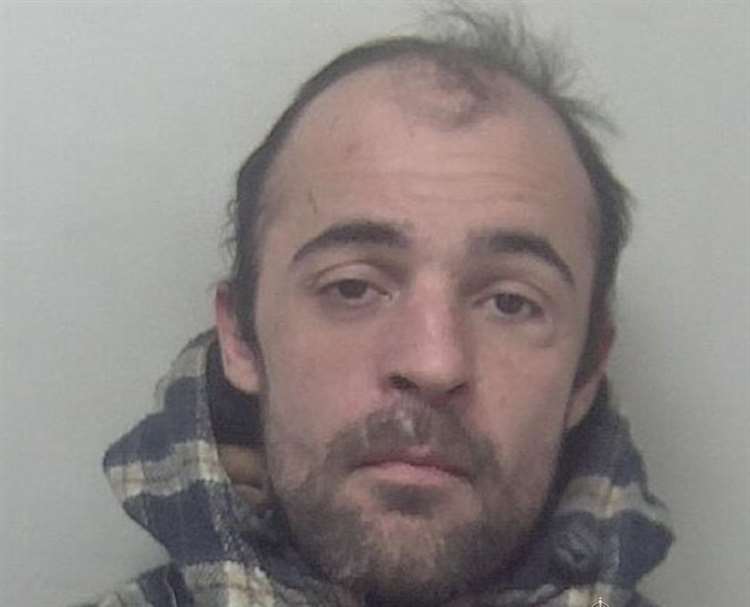
In short
- Cooper and Smith door-knocked across four Kent towns claiming urgent chimney and roof repairs were needed — starting with modest quotes, then inflating them sharply.
- When victims hesitated about cash, Cooper escorted them to banks and ATMs in person. He coached at least one to tell her bank the withdrawal was for Christmas presents.
- Cooper filmed victims without their knowledge, voice-noted areas he was targeting, and recorded himself celebrating the money.
- Smith was arrested mid-job at a Ramsgate property. Cooper tried to run, was caught nearby. His phone became the centrepiece of the prosecution case.
- Both pleaded guilty. Cooper received three years; Smith two years and four months. Canterbury Crown Court, April 2026.
The phone was always going to be a problem. Cooper carried his entire operation on it — target areas, contact logs, voice notes, videos of the people he was defrauding. When police arrested him, they arrested his records too.
Nelson Cooper, 39, and Scott Smith, 33, both of Orpington, ran what the prosecution described as a systematic roofing and chimney fraud across Kent. Between 20 September 2024 and 10 January 2025 they worked Dover, Canterbury, Ramsgate and Swanley, knocking on doors and telling homeowners that urgent repairs were required.
The technique was graduated. The initial quote was plausible — perhaps a few hundred pounds, or a modest estimate to inspect a suspected problem. Once access was secured and trust established, the figure grew. By the time the job was finished, or not finished, or declared to need further urgent attention, the total had reached thousands. In at least one case: more than £25,000 for work later assessed as entirely unnecessary.
The cashpoint escort
The detail that defined this case in court was what happened when victims said they couldn't immediately access the money. Rather than accept a bank transfer or return when funds were available, Cooper accompanied his victims to their bank branches and cash machines to ensure the payment was made on the spot.
Physical presence at a withdrawal is a documented coercion technique. It bypasses the pause a victim might have if left alone — the chance to call a family member, to reconsider, to speak to the bank. Cooper removed that pause. He stood there.
"Tell the bank the money is for Christmas presents." — Cooper's instruction to a victim being questioned by bank staff, December 2024
That instruction, documented in the prosecution evidence, shows the degree of control. Cooper wasn't just accompanying the victim — he was scripting the interaction with the bank. The victim complied. The withdrawal went through.
What the phone contained
When police seized Cooper's mobile device during the investigation, they found it had been used as an operational log of the fraud:
The arrest
Cooper was arrested on 18 December 2024 after forensic analysis of his devices provided sufficient evidence for police to act. Smith was arrested on 10 January 2025 — caught mid-job at a property in Ramsgate where the resident, an elderly person, had already paid more than £25,000 for work assessed as unnecessary. Cooper had been at the same address earlier that day. When he saw the police cars, he ran. He was caught shortly after.
Both pleaded guilty to fraud by false representation. At Canterbury Crown Court on 30 April 2026, Cooper received a three-year custodial sentence. Smith received two years and four months.
What a check would have found
Four signals that were present from the first knock on the door
-
Uninvited door-knock claiming urgent work Every victim in this case was approached cold — no prior relationship, no referral, no online enquiry. A contractor identifying an urgent problem they happen to be able to fix the same day is a documented fraud opening. The correct response is to obtain independent verification of the problem before agreeing to anything.
-
Pressure to pay immediately and in cash Legitimate contractors invoice after completion, or take staged payments tied to verifiable milestones. Requests for cash, on the day, at an ATM, are a primary fraud indicator. Any contractor who accompanies a customer to a bank machine to collect payment is not operating normally.
-
No verifiable company history Cooper's roofing company had no established public profile, no trade body registration, and no independent customer reviews that could be verified. A Companies House check would have confirmed minimal trading history. For any job above £1,000, that gap warrants pausing and seeking a second opinion.
-
Asking a bank about the withdrawal Several of Cooper's victims were questioned by their banks about large cash withdrawals — the banks noticed the pattern. In at least one case, Cooper provided a script to get past that question. If a bank asks why you're withdrawing a large sum, that moment is worth stopping for. The bank is the last safety net before the money is gone.
Had a knock on the door about roof work?
Before You Pay checks trade register status, company history, and flags the payment term patterns that appear in prosecutions like this one.
Check your trader before you pay — £5 →DC Mark Collins of Kent Police noted that "rogue traders like Cooper and Smith are often well practised in their scams." That practice is precisely the problem — the fluency of the pitch, the confidence at the cashpoint, the readiness with a script. What counters it is a record check done before the conversation gets far.
Primary sources
What our system found
We ran Nelson Cooper through Before You Pay while writing this article. A company matching his name — N.C Intercity Builders Home Improvements Limited — appeared on Companies House, already dissolved, incorporated just 13 months before the fraud began. No TrustMark registration. The quote analysis triggered four red flags: cold-call approach, cash only, price escalation from £800 to £3,500, and no written contract. The report below is real — exactly what a paying customer would have received.