In short
- Every check here is free and uses an official register or service.
- Start with Companies House for a limited company, then the register for the trade.
- Get the quote in writing, and pay in stages as the work is done.
- Paying part by credit card can protect a job priced over £100 and up to £30,000.
- If you agree the work at home, you usually have 14 days to cancel.
Check 1Check the business is real
If the business is a limited company, look it up on Companies House. It’s free, and you can search by company name or number.
Company recordExample only
JOE BLOGGS PLUMBING LTD
- Company number
- 00000000
- Status
- Active
- Incorporated
- 1 April 2016
- Accounts
- Up to date
What to look for
- Status. It should say Active. If it shows Dissolved, Liquidation or a proposal to strike off, ask about it before you pay anything.
- The name and number match. A limited company should show its registered name, company number and registered office on its website and paperwork. Check they match the quote.
- When it was set up. A new company can be fine, but ask what the business traded as before.
- Overdue filings. Overdue accounts or an overdue confirmation statement are worth asking about.
- What it does. The nature of business line gives a rough idea of the trade it registered for.
Sole traders and most partnerships aren’t on Companies House. Ask for the full name of the person you’re dealing with and a trading address, not just a mobile number.
Check 2Check the people behind it
On the company’s Companies House page, the People tab lists its directors and when they were appointed. Click a name to see their other companies, including ones that were dissolved or went into liquidation. A run of short-lived companies in the same trade is worth asking about.
What to look for
- Disqualified directors. Search the register of disqualified directors. Someone disqualified can’t be a director or help run a company without a court’s permission.
- Bankruptcy and debt agreements. The Individual Insolvency Register lists people in England and Wales who are bankrupt, have a debt relief order or have an individual voluntary arrangement with the people they owe. It’s useful for sole traders. Scotland and Northern Ireland keep their own registers.
- VAT. If the quote adds VAT, check the number with HMRC’s free Check a UK VAT number service. A business that charges VAT must be registered for it.
Check 3Check they’re registered for the job
Some work has to be done, or signed off, by someone on an official register. Ask which scheme they belong to, then search for them by name. A logo on a van or a website isn’t proof.
What to look for
| The work | Where to check | Why it matters |
|---|---|---|
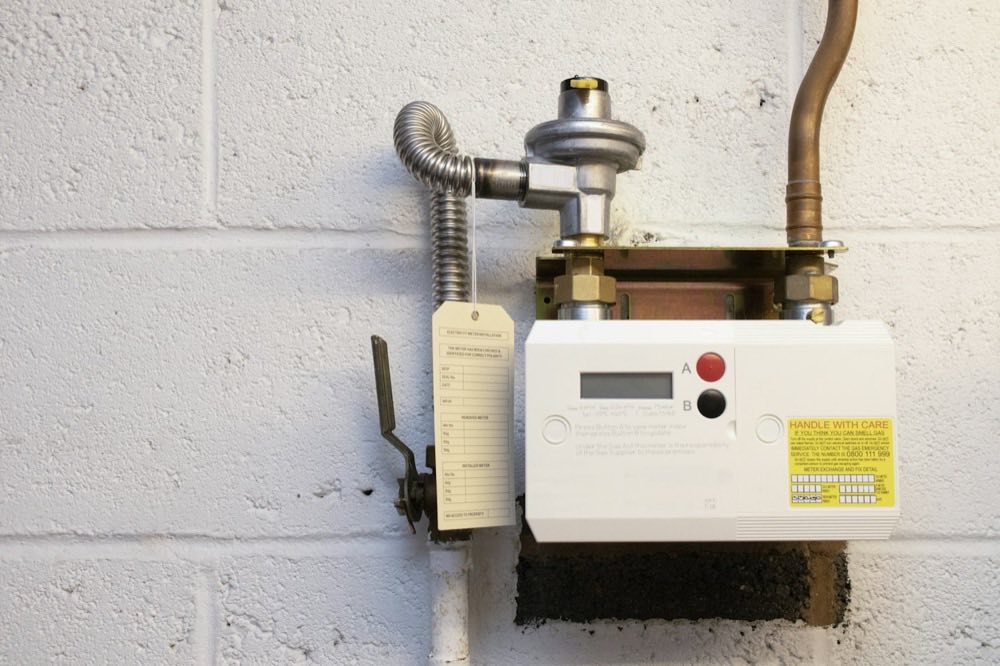
| Gas: boilers, fires, hobs and pipework | Gas Safe Register, or call 0800 408 5500 | By law, anyone working on gas must be on the register. Ask to see their ID card: the back lists the work they’re qualified to do. |
| Electrical work in England and Wales | Electrical Competent Person Register | A registered electrician can certify that their work meets building regulations. Otherwise some work needs building control to sign it off. |
| Replacement windows and doors | FENSA, or the Competent Person Register for the other schemes | A registered installer gives you a certificate that the work meets building regulations. You may be asked for it when you sell. |
| Other work under building regulations, such as oil boilers, stoves, heat pumps and solar panels | Competent Person Register | One search across the government-authorised schemes, by name or postcode. |
| Any trade | TrustMark | The government-endorsed quality scheme for work in and around the home. It’s voluntary, so a business that isn’t listed isn’t necessarily a problem. |
Check 4Check their insurance
Ask to see their public liability insurance certificate. It covers damage to your home, or injury to someone else, caused by their work. It isn’t a legal requirement, but many businesses carry it.
What to look for
- Check the business name on the certificate matches the quote.
- Check the dates cover the time the work will take.
- If they employ staff, employers’ liability insurance is usually a legal requirement too.
Check 5Check who takes the waste away
If they’re removing rubbish, rubble or old fittings, they need to be registered to carry waste. Checking is your legal duty as a householder: if your waste ends up fly-tipped, you can be fined.
What to look for
- Search the Environment Agency’s register of waste carriers by business name or registration number. In Wales, check Natural Resources Wales; in Scotland, SEPA.
- Ask who is actually collecting the waste, if it isn’t them.
- Keep a receipt or waste transfer note.
Check 6Check the quote
Get the quote in writing before any work starts. A quote is a fixed price; an estimate is a best guess that can change.
What to look for
A clear quote sets out:
- the work in detail, including materials and who supplies them;
- the total price, and whether VAT is included;
- when the work starts and how long it should take;
- when each payment is due, and what it pays for;
- how changes to the work will be priced and agreed;
- what happens to the waste, and any guarantee.
Our free Check my quote tool shows what a quote for common building jobs should include, and what to ask about.
Check 7Check how you’ll pay
Agree to pay in stages as the work is done, not the full price upfront. A deposit for materials can be reasonable: ask what it covers.
Paying in stagesExample only
What to look for
- Credit card. If you pay at least part of the price by credit card, and the job costs over £100 and no more than £30,000, the card company can be equally responsible if the work isn’t done or goes wrong. This is Section 75 of the Consumer Credit Act.
- Bank transfer. Check the account name matches the business. Your bank’s name check will usually warn you if it doesn’t. Be wary of a request to pay a different name, or cash only.
- Receipts. Get one for every payment.
If something goes wrong
Changing your mind
If you agree the work at home, or anywhere other than the business’s premises, you usually have 14 days to cancel, and the business must tell you this in writing. Urgent repairs you asked for are treated differently. Citizens Advice explains the rules.
Poor work or a dispute
In England and Wales, call the Citizens Advice consumer helpline on 0808 223 1133. It passes reports to Trading Standards. In Scotland, contact Advice Direct Scotland; in Northern Ireland, Consumerline.
Fraud or a scam
Tell your bank straight away. Then report it to Report Fraud, the police service that replaced Action Fraud, or call 0300 123 2040 (England, Wales and Northern Ireland). In Scotland, call Police Scotland on 101.
- Someone at your door. If you feel unsafe, call 999.
We checked every link and phone number on this page on 12 November 2026. The registers are run by their own organisations, and we aren’t connected to them. This guide is general information, not legal advice.
Or let us bring it together.A £5 report puts the public records and business information on a business in one place, each fact labelled with where it came from, with your quote if you have one.Free quote check
Run a £5 report